The Clone Wars: A Star Wars Story of Monorepos
Do we really need another blog talking about monorepos and polyrepos? Maybe not, but let’s try a new take on this Star Wars Day!
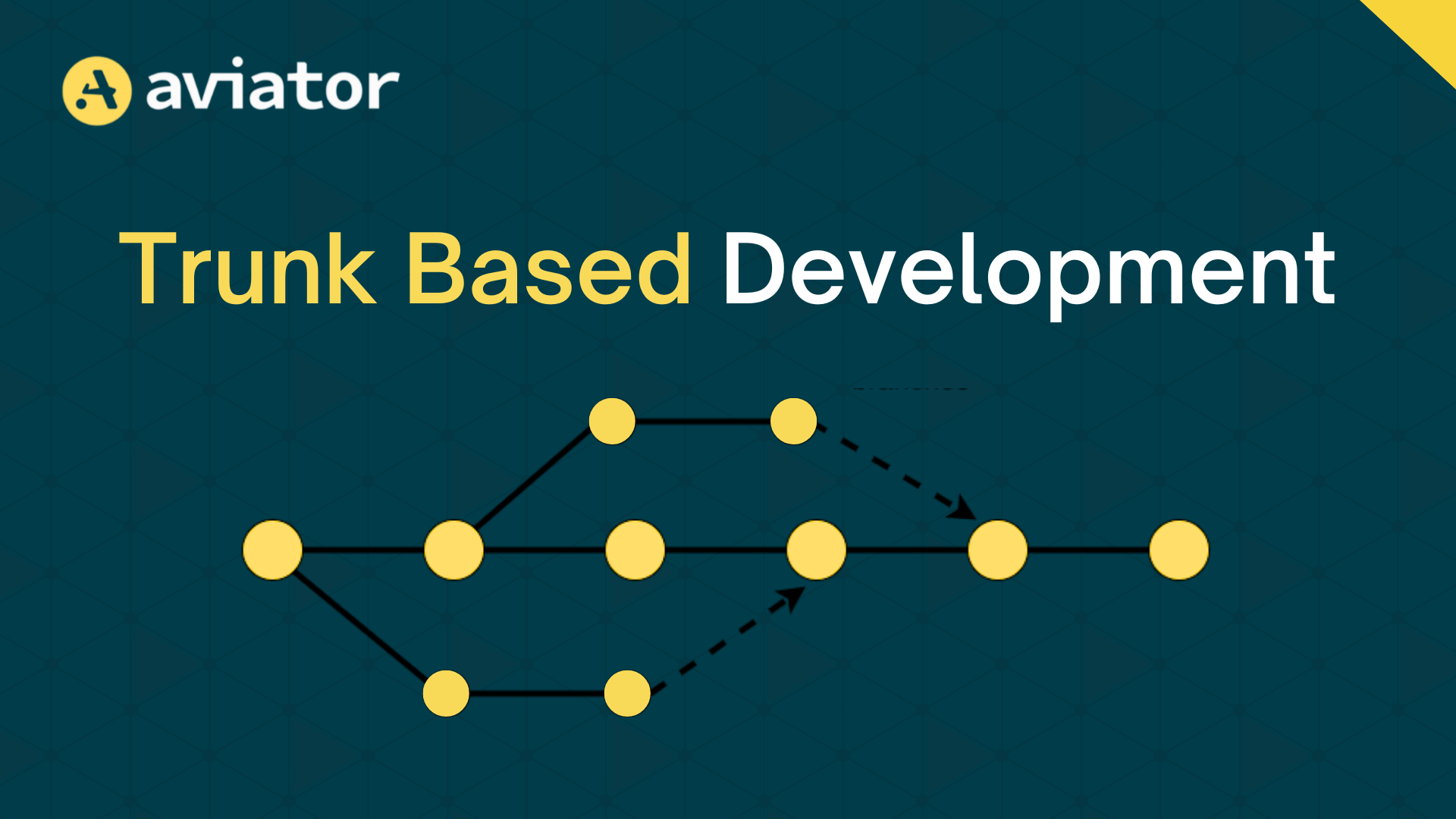
Trunk-based development enables faster, more reliable software deployment by making frequent, small commits to the main branch. This approach minimizes integration issues, supports continuous delivery, and enhances stability through automation, feature flags, and short-lived branches. This blog explores how trunk-based development aligns with CI/CD pipelines and offers best practices and tools to optimize workflows and maintain build stability.
Flaky tests, which fail unpredictably without changes in code or environment, can cause significant delays in development. They disrupt merge queues by blocking valid pull requests, leading to resets, wasted resources, and frustration among developers. Merge queues are designed to streamline the integration process, but flaky tests undermine their efficiency. Tools like Aviator MergeQueue help manage these challenges with features such as parallel testing and early validation. By addressing flaky tests and stabilizing testing environments, teams can ensure smoother workflows and more reliable CI/CD pipelines.

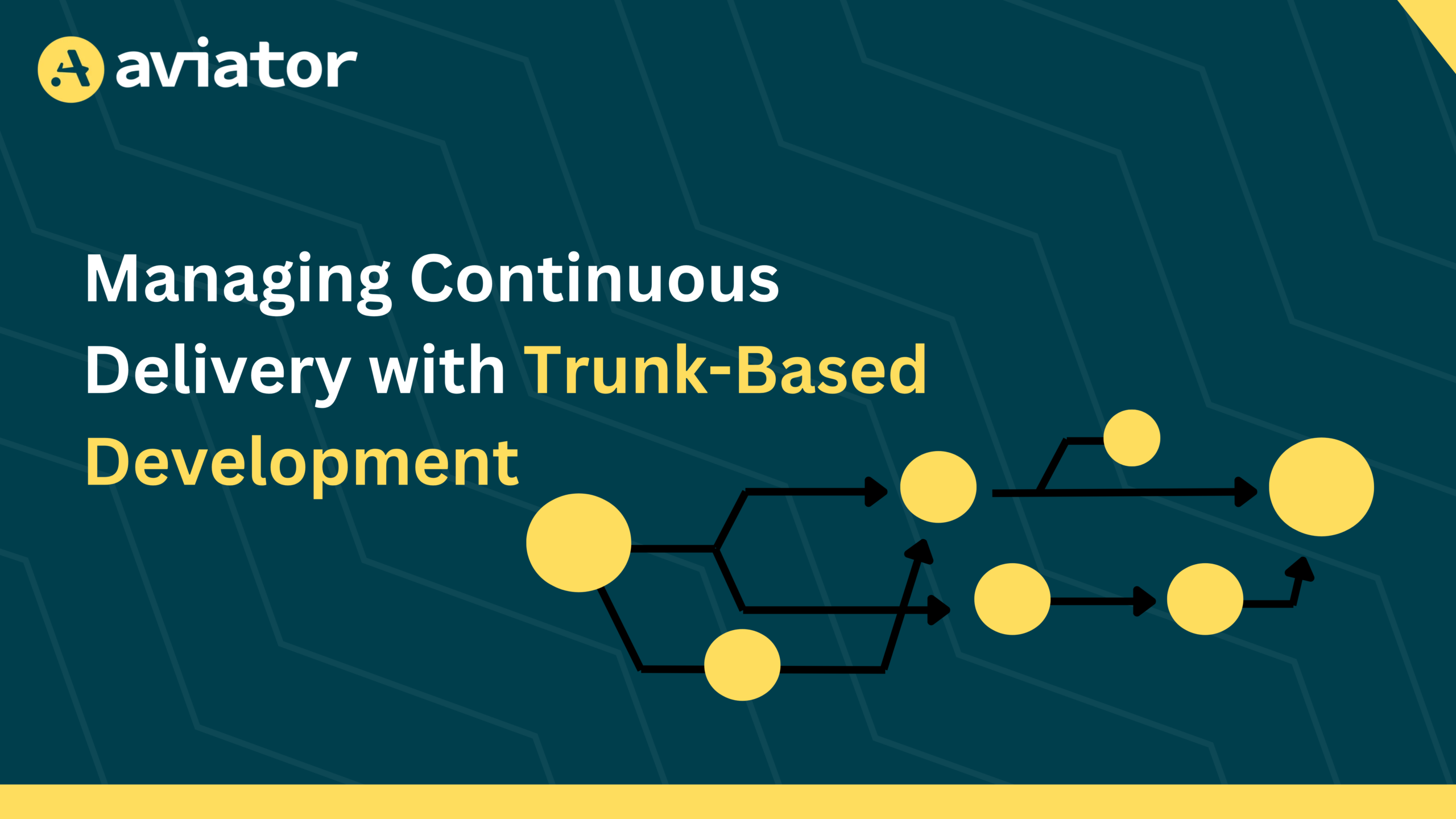
Trunk-based development helps achieve continuous delivery and improve developer experience. But it requires using the right tools and processes.
Merge queues in monorepo can be challenging to maintain. Learn how to create that stability while maintaining high throughput in a monorepo.
Taking a lens of AI, this blog post will guide you through the differences in the testing strategies and how to generate good tests
Discover how AI is revolutionizing DevSecOps. Learn about key AI technologies, best practices, and real-world examples of successful implementations.
Learn about the two approaches to GitOps – push and pull – and how to implement them, their differences, benefits, and commonly used tools for each approach.
Chaos engineering is a technique for anticipating and fixing potential problems before they occur. Unlike traditional chaos engineering practices, applying these techniques to CI/CD pipelines requires testing the integration and deployment processes rather than just the application itself. Why Integrate Chaos Engineering into CI/CD? This approach introduces resilience testing earlier in the development lifecycle, allowing … Read more